Curious why one Belle Meade home feels stately and formal while another feels storybook charming or quietly modern? In this market, architecture is more than curb appeal. It shapes how a home lives, how it ages, and how it can be updated over time. If you are buying, selling, or simply studying Belle Meade luxury homes, understanding the area’s defining styles can help you read listings more confidently and spot the details that matter most. Let’s dive in.
Belle Meade’s Architectural Identity
Belle Meade’s architectural character is rooted in its early 20th-century growth. According to the city’s design guidance, more than 200 homes were built between 1910 and 1930, with Neo-classical, Colonial Revival, Georgian Revival, and Tudor Revival styles leading the way. After 1945, Ranch homes became more common as remaining lots were developed.
That history still shows up clearly today. The city survey found that 62.7 percent of Belle Meade buildings were built in 1969 or earlier, which helps explain why traditional design language remains such a visible part of the streetscape. For you as a buyer or seller, that means architecture is not a background detail here. It is part of how homes are understood and valued.
Belle Meade also actively manages its visual character. The city’s Historic Zoning and Conservation Overlay is designed to preserve exterior design, materials, workmanship, and compatibility, and many exterior changes require a Certificate of Appropriateness. In practical terms, style matters not only in appearance, but also in what kinds of updates are likely to fit the home and its setting.
Classical Styles in Belle Meade
Federal and Greek Revival Cues
A helpful local reference point is the Belle Meade mansion, which began as a Federal-style house and was later updated to Greek Revival. Federal design is known for symmetry, rectangular massing, and hipped roofs. Greek Revival adds stronger classical gestures like boxy forms, pedimented roofs, front porches, and columns.
In a luxury home setting, these details often create a very formal first impression. You will usually see a strong entry sequence, a balanced front façade, and an orderly interior layout. These homes often feel composed and ceremonial, with entertaining rooms clearly defined from service spaces.
Neo-classical Presence
Belle Meade’s early development also included many Neo-classical homes. While each property is different, this style often shares the classical focus on symmetry, grand entries, and prominent porch forms. If you are drawn to homes that feel timeless and structured, this is one of the architectural languages that helps define Belle Meade.
Colonial Revival and Georgian Revival
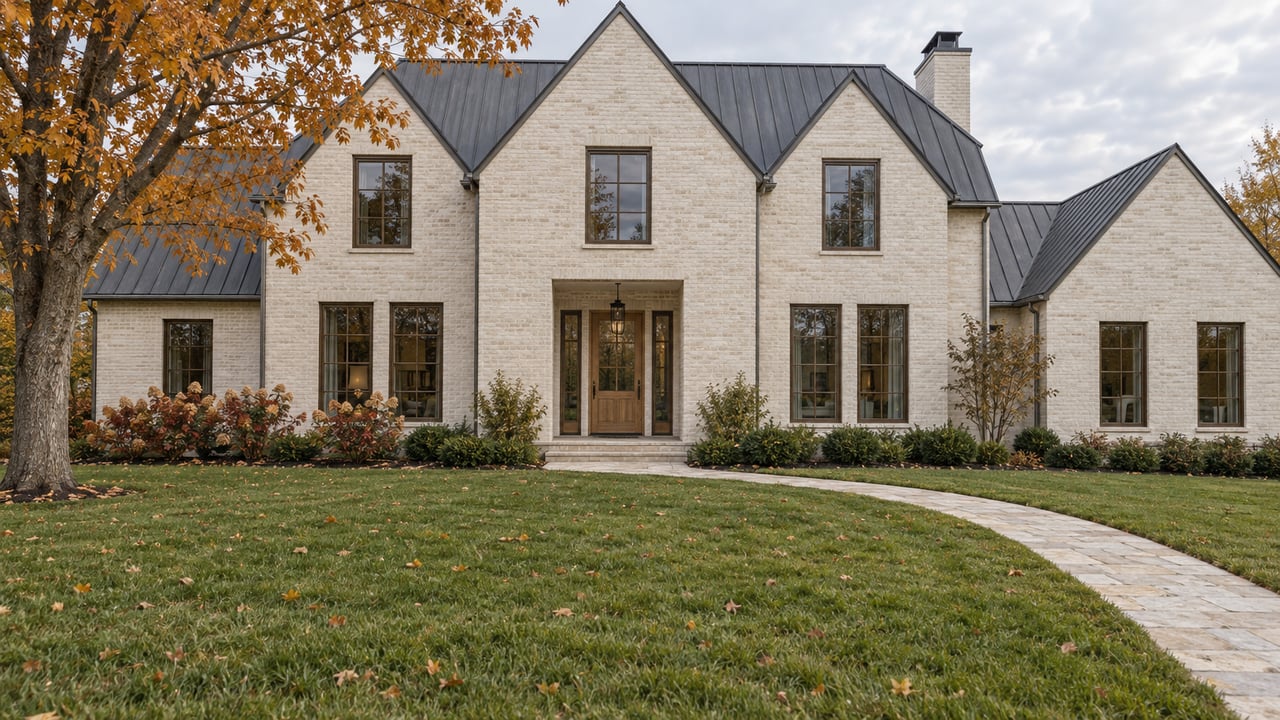
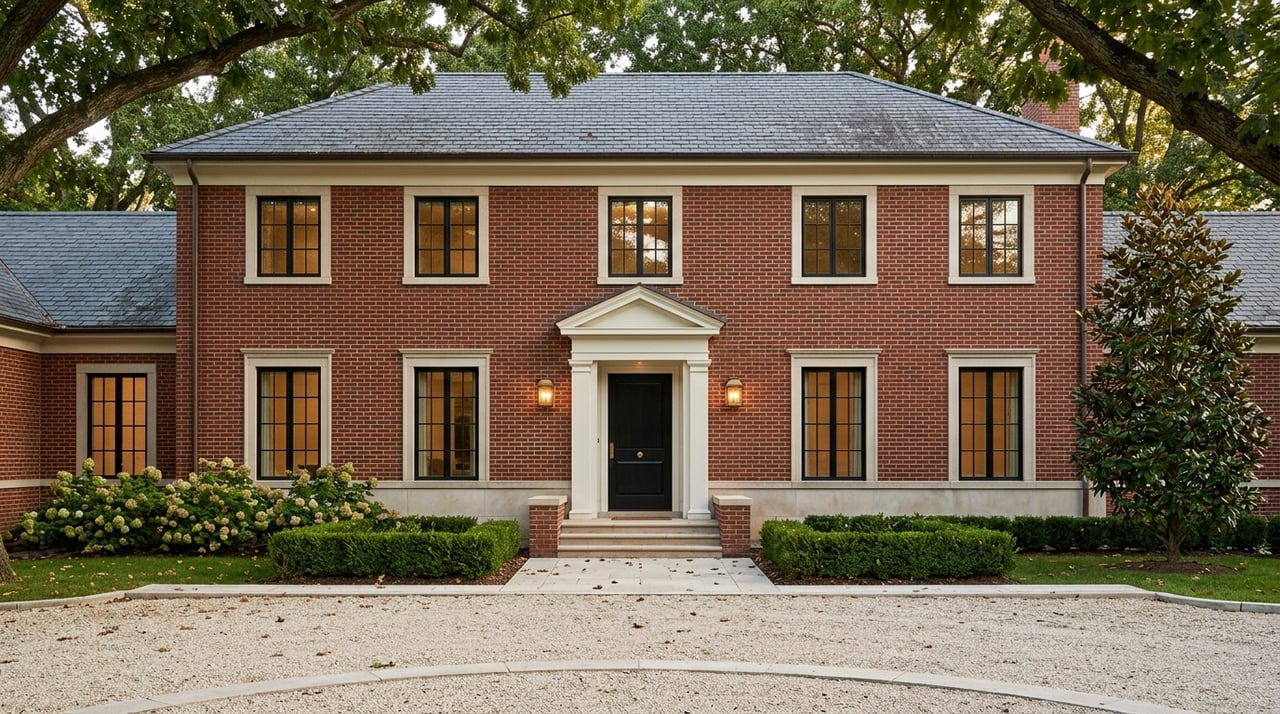
Colonial Revival and Georgian Revival are two of Belle Meade’s core local styles. These homes typically emphasize balance, symmetry, and a centered entrance. Common visual markers include brick exteriors, hipped or gable-end roofs, fanlights or sidelights, porticos, front porches, and evenly spaced windows.
For many buyers, these are the homes that deliver classic curb appeal right away. The façades are easy to read, and the proportions feel settled and confident. Inside, they often translate into center-hall layouts and a clear sense of order from room to room.
For sellers, this style can photograph especially well because the architecture already provides visual rhythm. A centered door, balanced windows, and strong brick or painted trim details tend to create a polished exterior presentation. In a design-conscious market like Belle Meade, those traits can help a listing stand out.
Tudor Revival in Belle Meade
Tudor Revival is one of the most recognizable Belle Meade styles from the 1910s through the 1930s. The look is defined by steeply pitched gables, asymmetrical massing, half-timbering, masonry or stucco walls, narrow casement windows, and large chimneys. It is often more textured and visually layered than a Colonial Revival home.
If Colonial and Georgian homes feel formal and balanced, Tudor homes usually feel more picturesque. They are less boxy and often more irregular in shape. That can create room layouts with more variation in scale and a stronger sense of architectural character from one space to the next.
This style often appeals to buyers who want a home with a distinct personality. Rooflines, chimneys, and exterior materials do a lot of the storytelling. When you are comparing listings, Tudor homes often stand out because they feel crafted rather than purely symmetrical.
Ranch and Contemporary Homes
Ranch Style After 1945
After World War II, Ranch homes became a meaningful part of Belle Meade’s housing mix. Ranch design is generally one story, low-pitched, and horizontally oriented. It often includes attached garages or carports and more open living and dining areas.
These homes reflect a more informal way of living. If you prefer easier flow, fewer stairs, and a layout that feels less formal than earlier revival styles, Ranch homes may be especially appealing. In Belle Meade, they also represent an important layer of the neighborhood’s architectural timeline.
Contemporary Homes That Fit In
Belle Meade’s current guidelines also allow early- to mid-20th-century and contemporary designs when they are compatible in massing, scale, proportions, and materials. Contemporary homes often use simpler forms, more glass, and less ornament. The key in Belle Meade is not whether a home is old or new, but whether it relates well to its surroundings.
That is useful if you are considering newer construction or a heavily updated property. A home can read as contemporary and still feel appropriate in Belle Meade when its size, materials, and overall proportions work with nearby homes.
How Architecture Shapes Floor Plans
One of the biggest benefits of understanding architectural style is knowing what it often means inside the home. In historic houses, the basic floor plan, entry hall, parlors, dining rooms, primary staircase, ceiling heights, fireplaces, windows, doors, and trim are often considered character-defining. These are usually the features that give a home its identity.
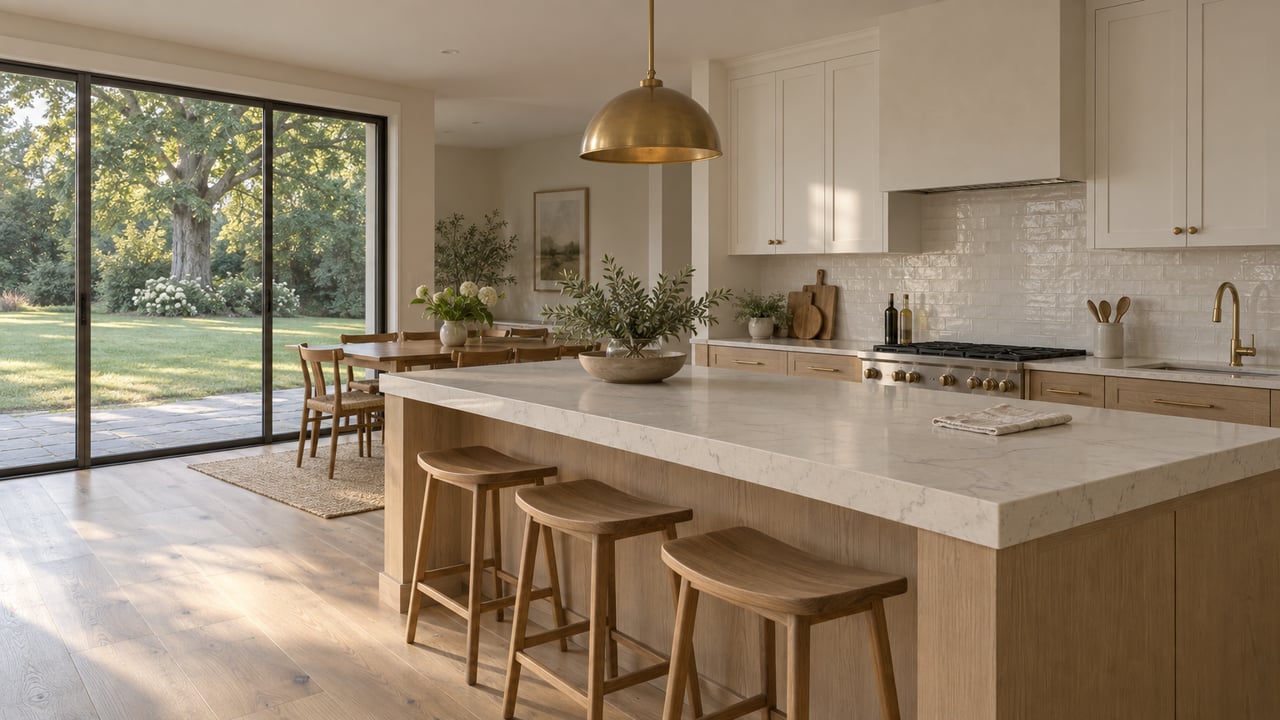
That matters because not every part of a house carries the same design weight. Kitchens, bathrooms, closets, laundry rooms, basements, and attics are generally more flexible. In Belle Meade, that often means a home can be updated for modern living while preserving the spaces and features that make it architecturally significant.
For you as a buyer, this helps set expectations. A formal Colonial Revival may have a more defined room sequence than a Ranch home, while a Tudor may feel less predictable from room to room. For you as a seller, it helps clarify which features are worth highlighting because they contribute directly to the home’s architectural value.
What to Notice in a Listing
When you are browsing Belle Meade luxury homes, a few visual cues can tell you a lot very quickly. These are also the kinds of elements the city uses when judging architectural compatibility.
- Roofline: Is it hipped, gabled, steep, low, or strongly horizontal?
- Façade symmetry: Does the front elevation feel balanced and centered, or more asymmetrical?
- Window rhythm: Are the windows evenly spaced and formal, or varied and picturesque?
- Porch form: Is there a portico, full front porch, side porch, or a minimal entry treatment?
- Chimney placement: Does the chimney act as a strong architectural feature?
- Material authenticity: Do the brick, stone, stucco, wood, or siding choices feel true to the style?
These clues can help you tell whether a home feels fully historic, thoughtfully updated, or more recently built. They also help you compare homes more accurately, especially when price points are similar but architectural integrity is not.
Renovation and Maintenance in Belle Meade
Architecture in Belle Meade comes with practical implications too. The city’s guidelines prefer wood windows, brick, stone, masonry, cementitious siding, and true stucco over masonry. They prohibit vinyl and aluminum window frames and most faux exterior materials, and they identify gable and hipped roof forms as most appropriate.
For older homes, that means material choices matter. Original wood windows, porches, and slate roofs may be features worth repairing rather than casually replacing. If you are evaluating a property, it is wise to look not just at whether something is old or new, but whether the update respects the home’s original design language.
Additions also tend to work best when they stay secondary to the original house. In Belle Meade, rear additions are usually more successful because they preserve the dominant front form. The city notes that enclosing a front porch, stoop, or entry is not appropriate, while some side porch or attached-garage enclosures may be acceptable.
New dormers should match the existing roof form and scale, and contemporary additions are allowed only when they do not contrast greatly with the original building. For you, this means the most successful renovations are often the ones you notice least from the street. They improve daily living without disrupting the home’s architectural identity.
Why Style Knowledge Matters for Buyers and Sellers
If you are buying in Belle Meade, architectural literacy helps you move beyond surface-level impressions. You can better understand why one home feels more formal, why another offers more informal flow, and which updates may have long-term compatibility with the property. That can lead to smarter comparisons and better questions during your search.
If you are selling, style knowledge helps you position your home more strategically. Architectural details like symmetry, chimney placement, original materials, porch form, and roofline are not minor features here. They are part of the story buyers are responding to, especially in a market where design awareness is high.
In Belle Meade, luxury is often tied to permanence, craftsmanship, and proportion just as much as square footage. When you understand the architecture, you understand the home more fully.
If you are preparing to buy or sell in Belle Meade, The Luxe Collective TN can help you evaluate a home’s architectural character, market presentation, and next steps with a polished, concierge-level approach.
FAQs
What architectural styles are most common in Belle Meade luxury homes?
- Belle Meade is especially known for Neo-classical, Colonial Revival, Georgian Revival, Tudor Revival, and later Ranch homes, with some compatible contemporary designs as well.
What makes Colonial Revival and Georgian Revival homes in Belle Meade distinctive?
- These homes usually feature balanced façades, centered entrances, brick exteriors, formal proportions, and details like porticos, fanlights, sidelights, and evenly spaced windows.
How can you identify a Tudor Revival home in Belle Meade?
- Look for steep gables, asymmetrical massing, half-timbering, masonry or stucco surfaces, narrow windows, and prominent chimneys.
What should buyers know about renovating a historic-style home in Belle Meade?
- Many exterior changes may require city review, and the most successful updates usually preserve the front form, use compatible materials, and keep additions secondary to the original house.
What interior features often matter most in older Belle Meade homes?
- Character-defining features often include the main floor plan, entry hall, staircase, fireplaces, ceiling heights, windows, doors, and trim, while kitchens, baths, closets, and other secondary spaces are often more flexible.
Why does architectural style matter when comparing Belle Meade listings?
- Style affects curb appeal, layout, renovation potential, material choices, and how well a home fits Belle Meade’s established character, all of which can shape value and buyer appeal.