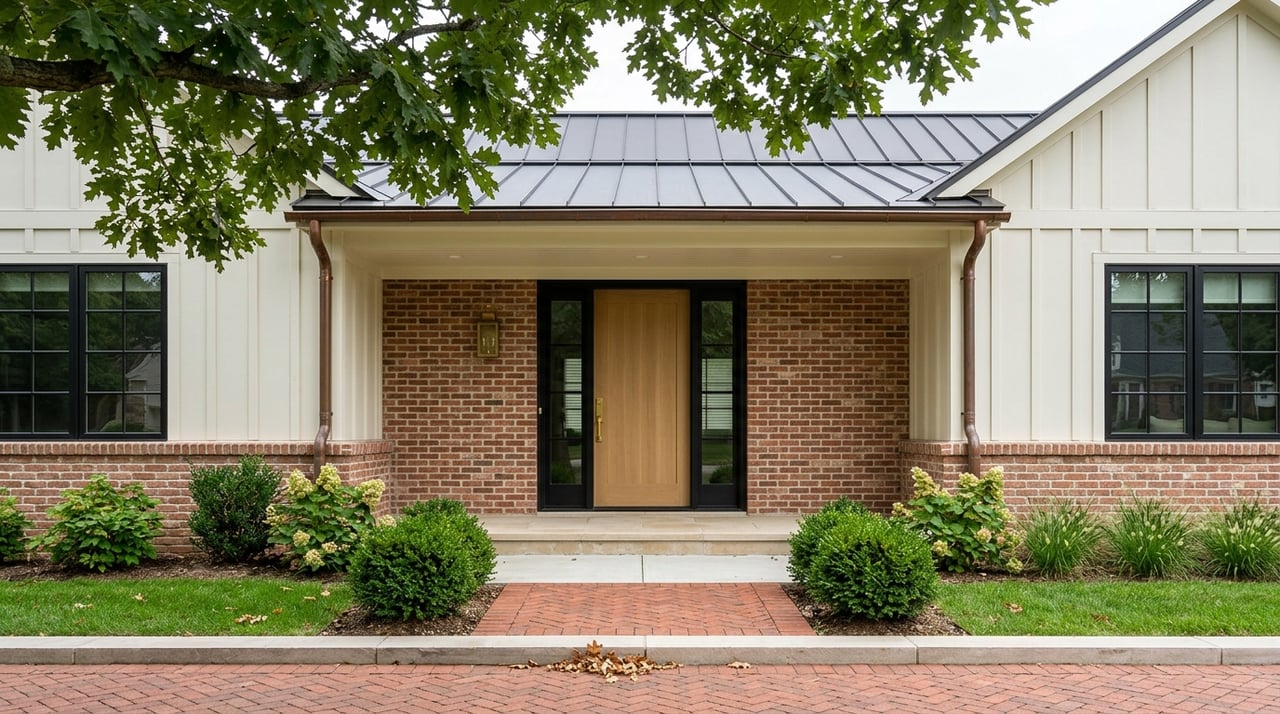
Trying to choose between Franklin and Brentwood? If you are moving within Williamson County or relocating to the Nashville area, this is one of the most common lifestyle decisions you will face. Both cities are highly sought-after, but they serve different day-to-day priorities in ways that can shape how you live, commute, and shop for a home. This guide will help you compare Franklin and Brentwood through the lens of character, housing, routines, and market conditions so you can narrow in on the fit that feels right for you. Let’s dive in.
Franklin vs Brentwood at a Glance
At a high level, Franklin and Brentwood offer two distinct versions of Williamson County living. Franklin is known for historic character, a lively downtown core, and a broader mix of home styles and ages. Brentwood is known for larger lots, a more uniform suburban setting, and close proximity to Nashville’s south side.
That contrast is reflected in each city’s official planning and development approach. Franklin highlights its 15-block historic district, long history, and Main Street setting. Brentwood emphasizes residential neighborhoods, rolling hills, parks, and greenways rather than a concentrated downtown environment.
Franklin Lifestyle and Character
Franklin tends to appeal to buyers who want a sense of place that feels layered and established. The city describes itself through its historic district, Victorian architecture, renovated historic buildings, and a downtown with shopping, restaurants, antique stores, and arts-related uses. You also have Cool Springs as a major retail and commercial area, which adds another everyday convenience hub beyond downtown.
If you enjoy a setting where daily life can include both historic streetscapes and modern retail access, Franklin often feels more varied. Its mix of residential, commercial, and corporate uses creates a rhythm that can feel more active across different parts of town. For many buyers, that variety is part of the appeal.
Franklin also offers more than 900 acres of park land across 18 parks. Some of those outdoor spaces connect naturally with the city’s historic identity, which gives recreation a slightly different flavor than a typical suburban park system. If you like outdoor time paired with a town-center feel, Franklin has a strong case.
Brentwood Lifestyle and Character
Brentwood tends to fit buyers who want a quieter, more residential atmosphere with natural beauty woven into everyday life. City materials describe Brentwood as a mature community and an older suburb of Nashville, with rolling hills, parks, and greenways as central features. Rather than centering around a historic downtown, Brentwood’s identity is more rooted in neighborhoods and open space.
In practical terms, Brentwood can feel more consistent from one area to the next. The setting is often defined by residential streets, larger home sites, and a suburban pattern shaped by greenways and park access. If you want your lifestyle to feel more anchored in neighborhood living than in a downtown core, Brentwood may feel like a better match.
Brentwood reports 1,027 acres of parks and greenways. That adds up to a substantial outdoor network, especially if trails, open space, and neighborhood-based recreation matter to you. The experience is less about one central destination and more about spread-out access across the city.
Housing Style and Lot Size
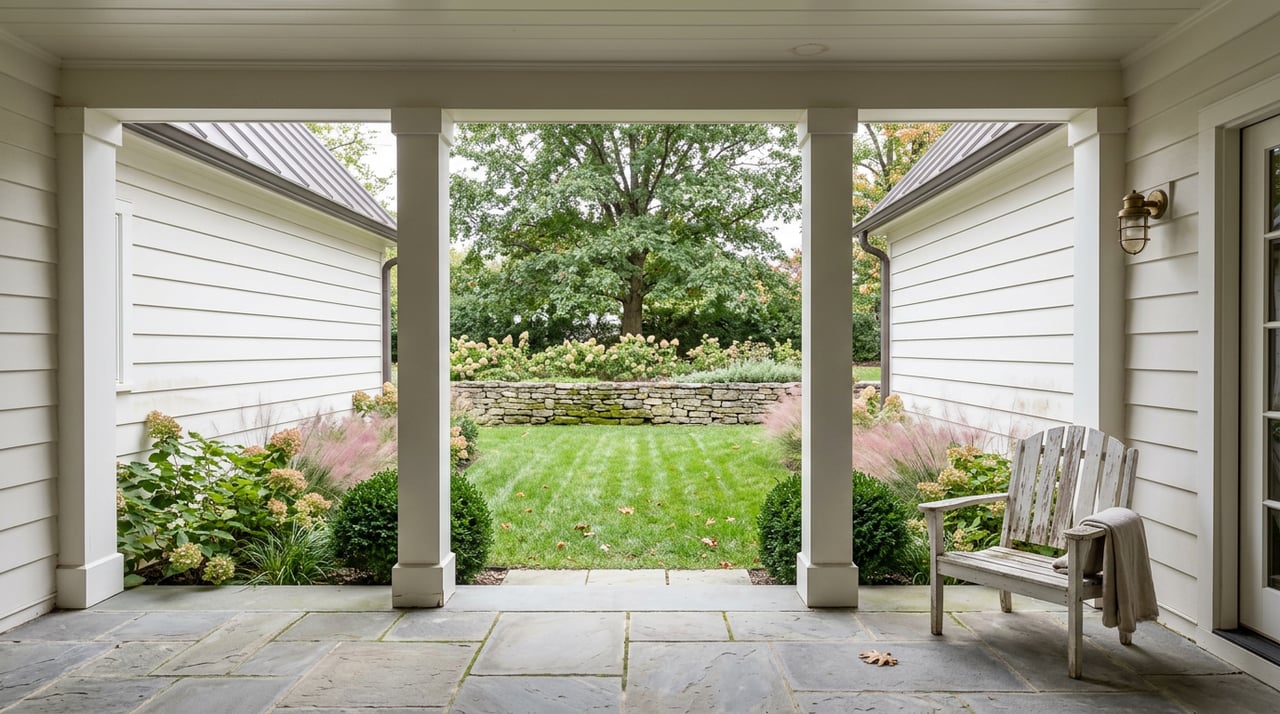
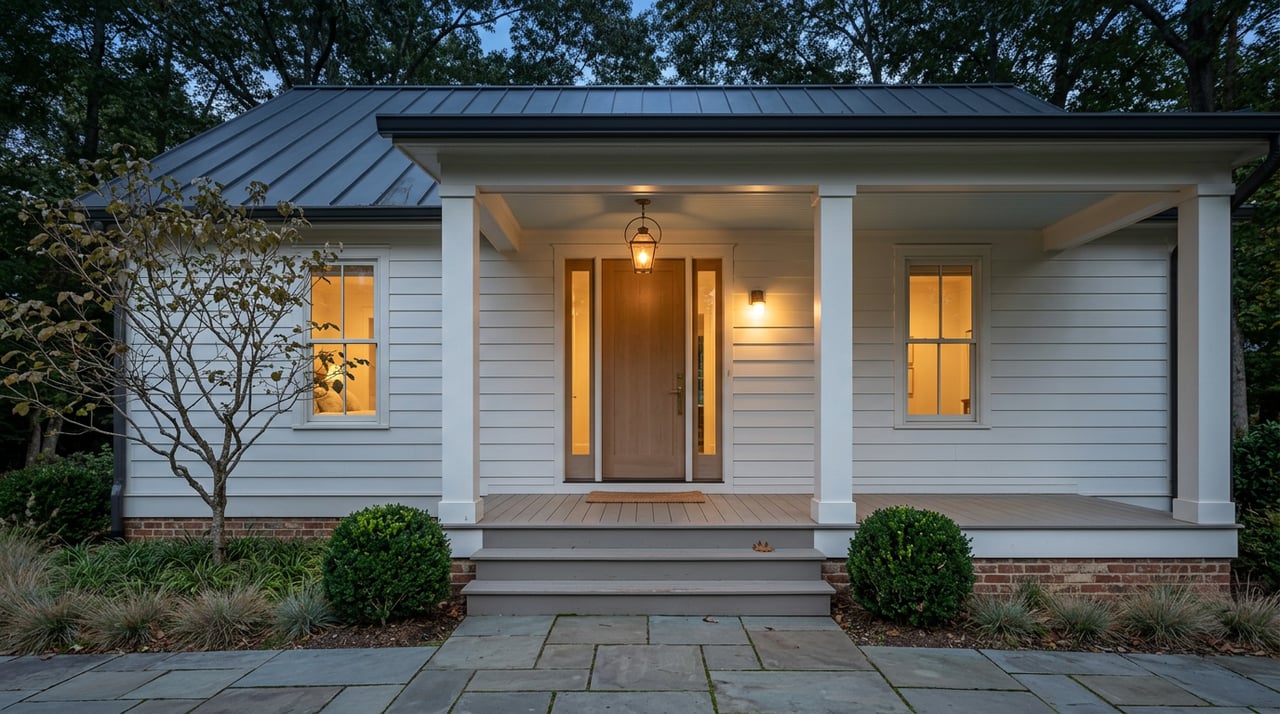
One of the biggest differences between Franklin and Brentwood shows up in the housing stock. Franklin offers a wider mix of home ages and architectural styles, especially in and around its historic districts. Official design guidelines reference styles including Federal, Greek Revival, Italianate, Victorian, Colonial Revival, Folk Victorian, Bungalow, Craftsman, and Ranch homes.
That range can be especially attractive if you are drawn to porches, older streetscapes, and homes with visible architectural detail. It also comes with an important practical note. In Franklin’s Historic Preservation Overlay District, most exterior alterations require a Certificate of Appropriateness, and design guidelines are used to preserve compatibility.
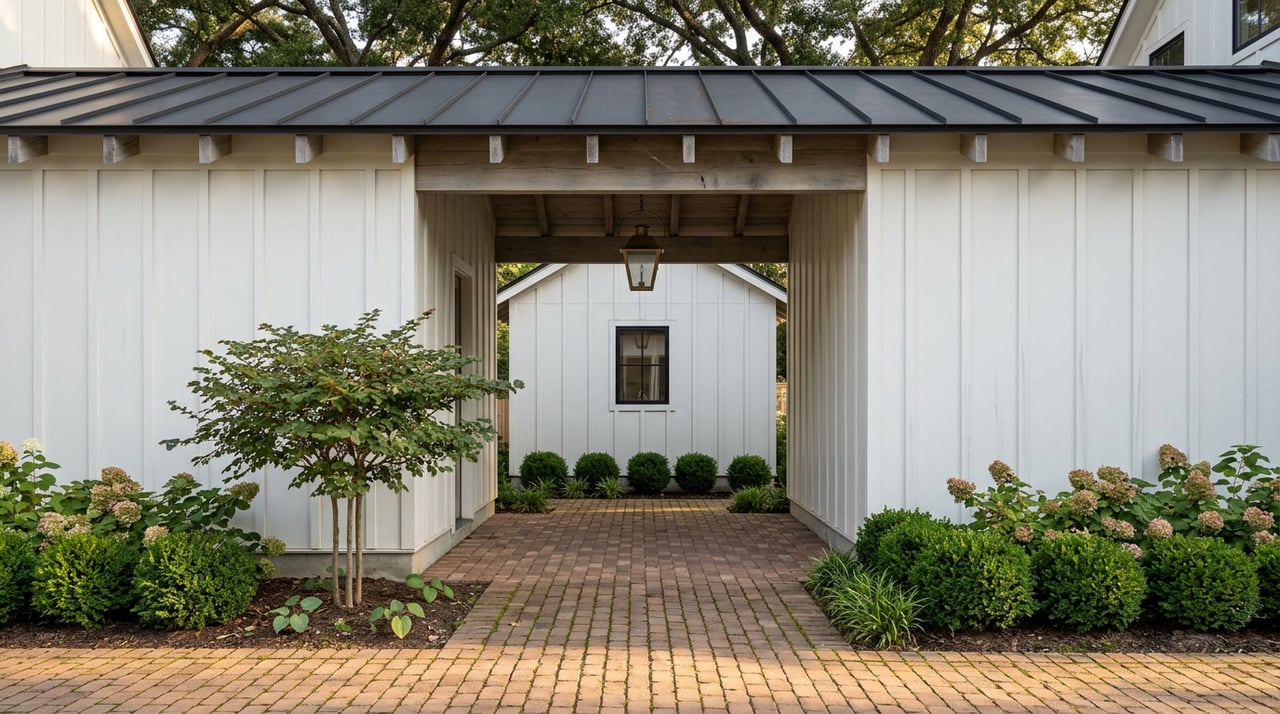
Brentwood leans in a different direction. Its zoning language describes suburban residential areas with detached single-family homes on minimum one-acre lots, and the city’s residential standards are built around one-acre density. Brentwood also uses open-space and hillside-protection standards that help preserve natural features and limit disturbance.
For you as a buyer, that often translates into more spacing between homes, larger lots, and a more estate-suburban feel. If privacy, lot size, and a more uniform look are high on your list, Brentwood may line up more closely with what you want.
Commute and Daily Access
Your routine can be a deciding factor, especially if you travel often or spend regular time in Nashville. Franklin is about 15 miles south of Nashville and is accessible by both I-65 and State Route 840. That gives you multiple route options depending on where you work or how often you move around the region.
Brentwood sits directly north of Franklin and adjacent to Metro Nashville’s southern boundary. City materials note that I-65 runs through Brentwood and that Nashville International Airport is about a 15-minute drive. Based on location alone, Brentwood often has the edge if your priority is a shorter drive into Nashville or easier airport access.
That does not make Franklin inconvenient. It simply offers a bit more separation from Nashville while still staying well connected. If you want some breathing room from the city but still need practical access, Franklin may hit that balance.
School Structure and Daily Flow
Franklin and Brentwood also differ in how public school pathways are structured. In Franklin, the Franklin Special District serves pre-K through 8th grade in eight schools. After that, students transition into Williamson County high schools.
In Brentwood, Williamson County Schools operates the public schools serving the area, including Brentwood Elementary, Brentwood Middle, and Brentwood High or Ravenwood High. This means the day-to-day school structure is a little more unified within the county system from elementary through high school.
For many households, this is less about one option being better and more about how the setup fits your routine. If you are comparing cities closely, it helps to think about what kind of school path and day-to-day flow feels easiest for your household.
Price, Inventory, and Market Pace
Current market data shows a meaningful price gap between the two cities. In May 2026, Franklin had a median listing price of $1.159 million and a median sold price of $940,000. Brentwood posted a median listing price of $1.697 million and a median sold price of $1.3225 million.
That means Brentwood’s median listing price was about 46 percent higher, while its median sold price was about 41 percent higher. So if you are comparing value, Franklin generally reads as the more accessible market of the two. Brentwood typically sits at a higher price tier.
Inventory also differs. Franklin had 1,245 active listings, while Brentwood had 424 active listings. In simple terms, Franklin had nearly three times as many active listings, which can give you more choices if you are buying.
Days on market were fairly close, with Franklin at 45 days and Brentwood at 49 days. Both markets were described as balanced. That suggests the decision is less about one city being dramatically faster and more about weighing price point, inventory depth, and lifestyle preferences.
Which City Fits Your Priorities?
If you are still deciding, it can help to step back and focus on what you want your everyday life to feel like. Franklin often fits buyers who want historic charm, architectural variety, and a livelier core with both downtown energy and major retail access. Brentwood often fits buyers who want larger lots, more privacy, a consistent suburban setting, and easier access to Nashville.
Here is a simple way to think about it:
- Choose Franklin if you value historic character, a broader mix of home styles, and more housing inventory.
- Choose Brentwood if you value lot size, spacing between homes, and a location closer to Nashville and the airport.
- Look closely at Franklin if you want more options across price and property types.
- Look closely at Brentwood if you are comfortable with a higher price point in exchange for space and a more estate-style suburban feel.
For sellers, the comparison matters too. Brentwood’s higher median price point can be a strong advantage when your home is positioned well for the market. Franklin’s larger inventory and broader buyer pool can also create strong activity, especially when your home stands out with thoughtful presentation and pricing.
Final Thoughts on Franklin vs Brentwood
There is no one-size-fits-all answer because Franklin and Brentwood excel in different ways. Franklin offers more historic charm, a wider range of homes, and a downtown-centered identity. Brentwood offers larger lots, a more residential suburban character, and closer ties to Nashville’s south side.
When you choose between them, you are often choosing between character and space, or between a lively historic core and a more private neighborhood-driven setting. If you want help comparing homes, neighborhoods, or timing in either market, The Luxe Collective TN is here to guide you with a thoughtful, concierge-level approach.
FAQs
What is the main lifestyle difference between Franklin and Brentwood?
- Franklin is generally associated with historic character, a lively downtown, and more architectural variety, while Brentwood is generally associated with larger lots, a more uniform suburban feel, and closer access to Nashville.
Is Franklin or Brentwood more expensive for homebuyers?
- Based on May 2026 market data, Brentwood had a higher median listing price and median sold price than Franklin.
Does Franklin or Brentwood have more homes for sale?
- Franklin had 1,245 active listings in May 2026, compared with 424 in Brentwood, so Franklin offered substantially more active inventory.
Which city has easier access to Nashville and the airport?
- Brentwood is adjacent to Nashville’s southern boundary, includes I-65 access, and city materials note that Nashville International Airport is about a 15-minute drive.
How are public schools structured in Franklin and Brentwood?
- Franklin uses the Franklin Special District for pre-K through 8th grade, with students then moving to Williamson County high schools, while Brentwood’s public schools are served through Williamson County Schools.
What kind of homes are more common in Franklin versus Brentwood?
- Franklin is more closely associated with a wider mix of architectural styles and older housing stock, while Brentwood is more closely associated with detached single-family homes on larger lots and a more suburban development pattern.