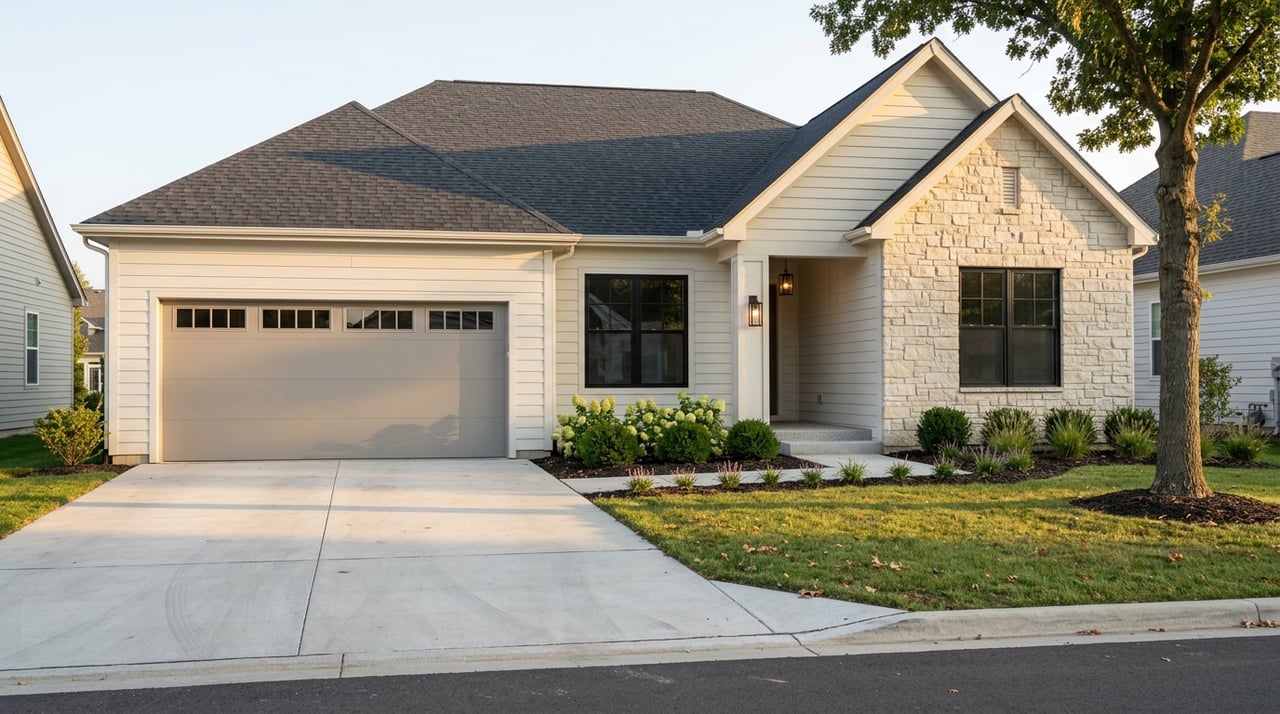
Shopping for a brand-new home in Lebanon can feel exciting right up until the details start piling up. Between builder contracts, lot choices, upgrade menus, and shifting timelines, it is easy to miss the questions that matter most. If you are considering new construction in Lebanon, this guide will help you focus on the practical decisions that can shape your budget, timeline, and long-term satisfaction. Let’s dive in.
Lebanon's New Construction Market
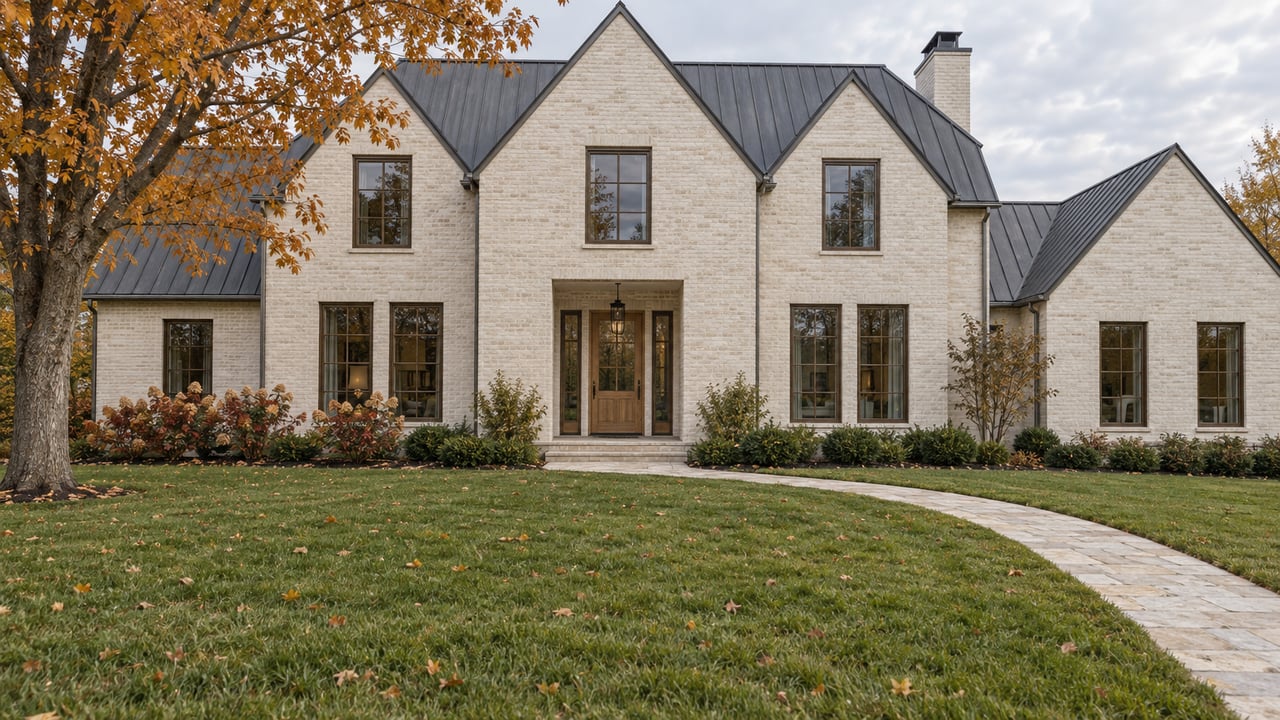
Lebanon offers a wide mix of new-home options, which is one reason so many buyers are taking a close look at the area. You can find large planned communities, townhome developments, active-adult neighborhoods, and single-family homes with builder-selected design packages.
Several projects show just how varied the market is. Barton Village is an active 350-acre development with roughly 740 residential lots for Del Webb's 55+ community and about 500 townhome lots. Blue Hickory is a planned 44-acre mixed-use community with 29 single-family homesites, 317 townhome sites, and commercial space, with groundbreaking planned for fall 2026. Woodbridge Glen is a 194-acre plan with 770 homesites and builders that include D.R. Horton and Celebration Homes.
You will also see community-level differences from builder to builder. Cades Bluff offers one- and two-story homes with multiple floor plans and curated finish collections, while Watermill includes single-family homes near Old Hickory Lake with lot options such as side-load, plaza, and front-load plans. In other words, new construction in Lebanon is not one-size-fits-all.
Why Lot Selection Matters
When you buy new construction, the lot is not just where the house sits. It can affect drainage, utility setup, driveway design, build timing, and even what kind of approvals are still needed before construction can move forward.
Lebanon spans both city and county jurisdiction, so your first step is confirming who regulates the property. Within Lebanon city limits, the city issues permits and inspections. For residential permits submitted on or after March 1, 2024, the city requires an approved Plot Plan or Critical Lot Plan before a permit is issued, along with items such as a driveway and stormwater inspection, a new utility service application, and other documentation.
Outside city limits, Wilson County's Building Codes Division handles permitting. The county states that only the property owner of record or a state-licensed contractor can apply for permits. That distinction matters because the permit process, review path, and timing can differ depending on where the lot is located.
Ask About Utilities and Site Conditions
A beautiful floor plan does not tell you everything you need to know about a homesite. Before you commit, ask whether the lot uses sewer or septic and whether any drainage improvements or retaining walls may be needed.
Lebanon's plot-plan checklist includes site layout, driveway and sidewalk placement, parking, grading and drainage, retaining walls, and erosion prevention and sediment control. Wilson County's planning review process also references utility certificates, sewer certificates, subsurface sewage certificates, and stormwater coordination. These are strong reminders that site conditions can affect both cost and construction timing.
If a builder already has approvals lined up, that can help reduce surprises. If approvals are still pending, you will want to understand what remains and whether that could push back your closing.
Design Choices Can Change the Budget Fast
One of the biggest surprises for buyers is how quickly the final price can climb beyond the advertised base price. New construction is often sold as a series of choices, and each choice can carry a cost.
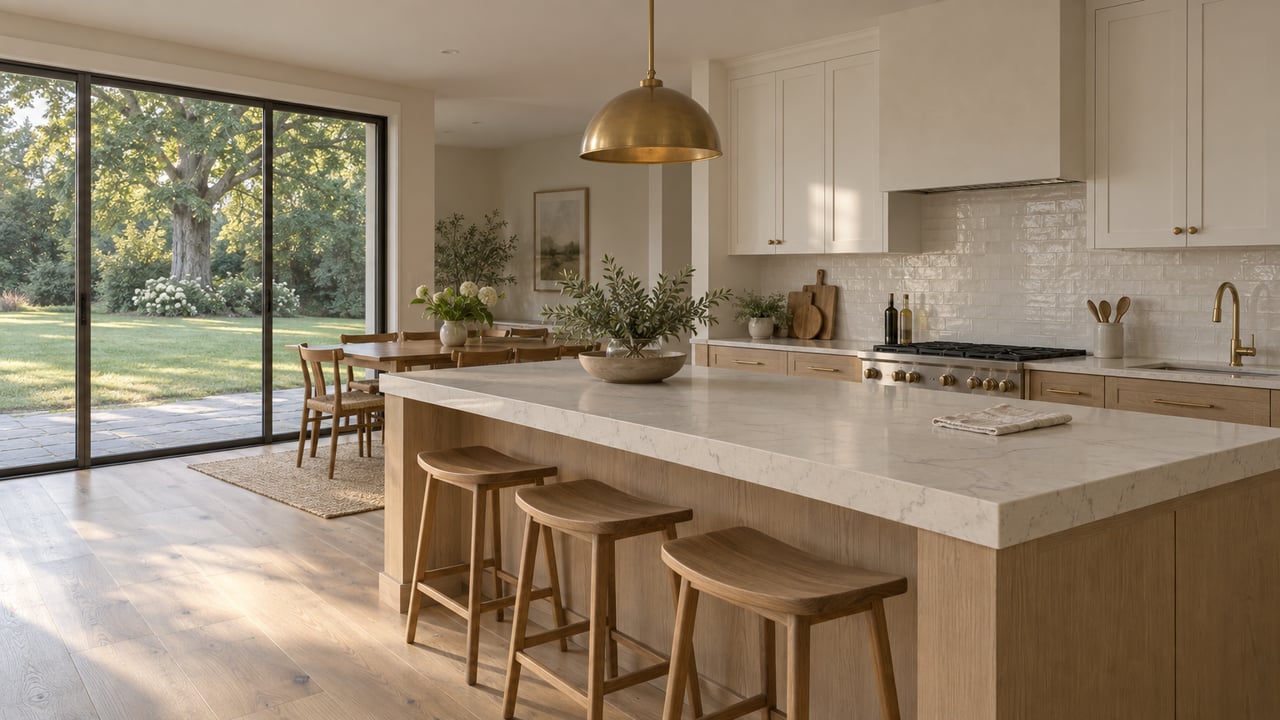
At communities like Cades Bluff, builders highlight curated collections of finishes and a step-by-step homebuilding journey. That usually means you will make decisions about the homesite, the floor plan, structural features, and interior selections as the process moves forward. Watermill also shows how lot type itself can be part of the product, with lot holds available and multiple plan configurations tied to the homesite.
Before you sign, ask for a clear breakdown of what is included in the base price and what counts as an upgrade, lot premium, or structural option. You should also ask whether appliances, blinds, landscaping, fencing, and other finishing items are included or optional. Those details can have a real impact on your total investment.
Closing Dates Are Often Targets
A projected completion date can be helpful, but it should not be treated as a guarantee. In Lebanon, approvals and inspections are part of a chain, and each step has to happen before the next one can move forward.
The City of Lebanon says plot-plan approvals or comments are typically completed within five business days, but a residential permit cannot move forward until all departments approve the plot or critical-lot plan. The city also states that a certificate of occupancy is issued only after inspections and approvals are completed by building, planning, engineering, and utilities.
Wilson County also notes that inspections are not same-day and that inspectors have 72 business hours to conduct them. For you as a buyer, that means construction timelines can shift even when the home is already under contract. It is smart to treat the closing date as a goal unless the contract clearly outlines protections if delays happen.
Review the Contract Carefully
Builder contracts are different from many resale contracts, and the details deserve close attention. This is especially true with to-be-built or early-phase homes where deposits, timing, and finish selections are still in play.
The CFPB notes that builders may require an upfront builder deposit, also called earnest money, and buyers should ask when that money is refundable. The same guidance notes that you do not have to use the builder's affiliated lender and can shop around for financing.
It is also wise to ask what happens if the builder misses the timeline, if materials change, or if certain selections become unavailable. The more clearly these questions are answered before you sign, the more confident you can feel moving forward.
Understand Warranties and Inspections
One common reason buyers choose new construction is the expectation of fewer maintenance concerns upfront. That can be true, but it does not mean you should skip due diligence.
FTC guidance explains that builder warranties often cover workmanship and materials for many components during the first year, HVAC, plumbing, and electrical systems for about two years, and sometimes major structural defects for up to 10 years. The FTC also notes that warranties often exclude appliances, small cosmetic cracking in some materials, and out-of-pocket living expenses during repairs.
You should ask for the exact warranty coverage, what is excluded, and how the claims process works. The CFPB also recommends making the purchase contract contingent on financing and a satisfactory inspection, and using an independent inspector because an appraisal is not the same as an inspection. If major issues are found, a satisfactory-inspection contingency may help protect your right to cancel.
New Construction Versus Resale
For some buyers, the right choice will be a brand-new home. For others, a resale home may offer a better fit depending on budget, timing, and priorities.
New construction often appeals to buyers who want modern layouts, newer systems, more personalization, and the possibility of lower utility bills tied to newer energy-efficient products. Existing homes may offer lower-priced options, mature landscaping, established surroundings, and faster move-in timelines.
In Lebanon, those tradeoffs matter because many communities are still developing. If you love the idea of fresh finishes and a more tailored home, new construction may be the better match. If you prefer a home where the full neighborhood pattern is already in place, resale may be worth comparing side by side.
Verify Address-Specific Details Early
Some of the most important details in a new construction purchase are tied to the exact address, not just the community name. That is why broad marketing materials should never be your only source of information.
Wilson County school zones are address-specific, and the district provides a school-zone lookup and maps. The district also notes that some PreK-8 students may actually reside in the Lebanon Special School District. If school assignment matters to your home search, verify the exact address before you commit.
You should also confirm utility setup, flood or insurance considerations, and whether the lot is in the city or county. The CFPB specifically advises buyers to check flood and disaster risk before committing, which is especially relevant for lake-adjacent or low-lying lots.
Smart Questions to Ask Before You Sign
A short question list can save you from major surprises later. Before moving forward with a new construction home in Lebanon, consider asking:
- What is included in the base price?
- Which features count as upgrades, lot premiums, or structural options?
- How much earnest money is required, and when is it refundable?
- Is the lot in Lebanon city limits or unincorporated Wilson County?
- What approvals are still pending before construction can begin?
- Will the lot use sewer or septic?
- Are there known drainage, grading, or retaining wall needs?
- What does the warranty cover, and what is excluded?
- Are HOA dues included in the monthly payment estimate, and what do they cover?
- Are landscaping, fencing, blinds, or appliances included?
- What school zone applies to the exact address?
- What happens if the home is delayed past the target closing date?
Final Thoughts on Buying New in Lebanon
Buying new construction in Lebanon can be a great opportunity, especially if you want modern design, lower near-term maintenance, and the chance to personalize your home. At the same time, the best experience usually comes down to asking the right questions early, understanding how the lot and jurisdiction affect the process, and reading the contract with care.
When you look beyond the model home and focus on the full picture, you put yourself in a much stronger position. If you want guidance comparing communities, evaluating builder terms, or narrowing down the right fit for your goals, The Luxe Collective TN is here to help.
FAQs
What should buyers ask about a Lebanon new construction lot?
- Ask whether the lot is in Lebanon city limits or Wilson County, whether it uses sewer or septic, whether drainage or retaining walls may be needed, and what approvals are still pending.
What is included in a Lebanon new construction base price?
- It varies by builder and community, so you should request a detailed list of included features and ask which items are upgrades, lot premiums, or structural options.
How long does a new construction home take in Lebanon?
- Timelines vary, and approvals and inspections can affect the schedule, so the closing date should generally be treated as a target unless your contract gives you specific protections.
Should buyers get an inspection on a new construction home in Lebanon?
- Yes. An independent inspection can help identify issues that an appraisal would not, and a satisfactory-inspection contingency may help protect you if major problems are found.
How do buyers verify school zones for a Lebanon new construction address?
- Wilson County school zones are address-specific, so you should verify the exact address using the district's school-zone lookup and maps before committing.
Are builder warranties for Lebanon new homes all the same?
- No. Warranty terms can differ, so you should review the exact coverage, exclusions, and claims process before signing the contract.