Thinking about a downtown Nashville condo but not sure where to start? You’re not alone. Between HOA fees, parking details, event noise, and ever-changing market dynamics, the decision can feel complex. In this guide, you’ll get a clear, step-by-step look at what to expect, what to verify, and how to compare buildings with confidence. Let’s dive in.
Why buy a downtown Nashville condo
If you want walkability, skyline views, and quick access to dining and entertainment, Downtown delivers. Listing medians trended in the mid–six figures as of late 2025, with The Gulch a bit lower. Recent local updates point to more inventory and longer days on market in the core, which can give you more negotiating room as new supply arrives. You can track softening trends in recent months through market updates covering central Nashville.
Downtown also offers a wider range of building styles than many realize, from sleek high-rises to character lofts. The right match depends on your priorities: amenities and services, monthly costs, noise tolerance, and parking.
What types of buildings you’ll find
Luxury high-rises
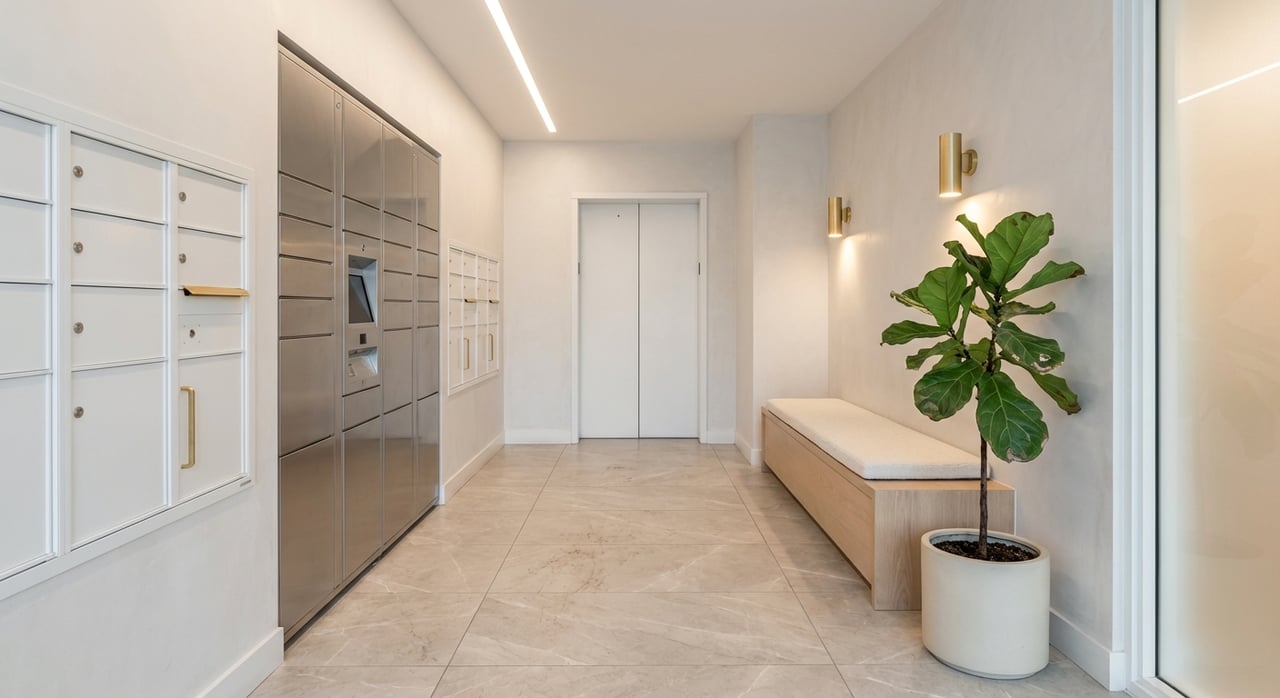
Newer or branded towers often include a full-service lobby, 24-hour staff, rooftop pool, owner lounges, and controlled garage parking. These buildings typically carry higher HOA dues to support staffing, amenities, and security. You’ll often see modern finishes, active ground-floor retail, and strong lock-and-leave convenience.
Mid-rise and boutique condos
Boutique towers and converted buildings can still offer a fitness room, club lounge, and roof deck, but usually with fewer on-site staff. Dues tend to be mid-range, and guest parking may be limited. If you like a contemporary feel without an ultra-luxury fee structure, this tier may fit.
Historic and converted lofts
Adaptive reuse buildings deliver exposed brick, original beams, and a sense of history. Amenities are often leaner, which can mean lower monthly fees, but it’s important to review building systems and long-term maintenance plans. If character and location beat out big amenity lists for you, put lofts on your tour list.
HOA fees, reserves, and assessments
Monthly dues vary widely by building age, unit size, and amenity level. As a baseline, dues commonly help pay for the master insurance policy, building systems and elevator maintenance, janitorial, common utilities, management, and reserve funding. For a quick primer, review this overview of what HOA fees typically cover.
Healthy reserves matter. Underfunded reserves can lead to surprise special assessments for large capital projects. Ask for the building’s latest reserve study and how well it’s funded. This short explainer on a reserve study clarifies why the percent funded figure is so important.
Tips as you compare buildings:
- Track HOA dues per square foot and by bedroom count to make apples-to-apples comparisons.
- Review the last two years of board minutes for hints of planned projects or fee changes.
- Ask about recent assessments, what they funded, and whether future phases are expected.
Rental rules and STR policies
Short-term rentals are tightly regulated. Metro Nashville requires STR permits, and non–owner occupied permits are limited in many areas. Read up on Metro Nashville’s short-term rental permit rules. Even if the city permits STRs in a given spot, many HOAs prohibit or restrict them with minimum lease terms or investor caps. Always confirm two levels of rules: city permits and building bylaws.
If you plan to lease long term, ask about minimum lease lengths, any owner-occupancy thresholds, and permit waitlists where applicable. Leasing policies can affect both lifestyle and resale.
Parking and daily logistics
Deeded vs licensed parking
Some buildings convey deeded or assigned parking with the unit. Others use a license model or third-party garage contracts. The difference matters for both convenience and resale value. Confirm in writing whether a space is deeded on the unit’s title or is a separate license that could change.
Guest parking and extras
Ask about guest parking availability, costs for extra spaces, valet policies, and waitlists. If you need two spaces or EV charging, make it part of your initial screening.
EV charging readiness
EV charging is quickly becoming an expectation, but many buildings are still catching up. Confirm whether the garage offers Level 2 charging, whether spaces are EV-capable, the cost to add a charger, and how electricity is billed. This overview on the future of EV charging in apartments explains why checking electrical capacity upfront is smart.
Getting around downtown
Downtown is one of Nashville’s most walkable areas and a hub for WeGo transit, rideshare, and micromobility. If you commute by car, review garage access and surface-street patterns during peak event times. Event days can change how long it takes to enter or exit your garage.
Noise, venues, and event life
Downtown’s entertainment core is lively by design. Metro’s noise ordinance uses a “plainly audible” standard and includes exceptions for central commercial and entertainment districts. That legal framework explains why amplified music near Broadway or Printer’s Alley can be permissible. You can read the text of Metro Nashville’s noise ordinance.
If you want a quieter home, target higher floors set back from open-air venues, interior-facing orientations, and buildings that have invested in upgraded windows and sound mitigation. Consider distance and line-of-sight to major venues and outdoor stages when touring.
Flood and storm considerations
Proximity to the Cumberland River adds both beauty and risk. Nashville experienced severe flooding in 2010, and intense storms since then have caused localized issues in parts of the urban core. Always run the address through the FEMA Flood Map Service Center to determine flood-zone status and whether a lender is likely to require flood insurance.
Practical steps:
- Ask for the building’s master policy and any flood coverage details.
- Request an elevation certificate if the property lies in or near a mapped flood zone.
- Inquire about any past water intrusion in garages, basements, or mechanical rooms.
- Factor flood premiums and association deductibles into your monthly cost model.
Financing and project eligibility
Condo-project eligibility affects your loan options. Fannie Mae and Freddie Mac look at reserves, owner-occupancy ratios, delinquency rates, insurance, and litigation exposure at the project level. If a building is not eligible, you may need a larger down payment or a different loan product. Your lender can check status through Fannie Mae’s Condo Project Manager.
FHA has a separate condo-approval process. Some buyers can pursue unit-level or spot approvals, but it is more limited. If you plan to use FHA, confirm early whether the project appears on the FHA list. This primer on FHA condo approval explains the basics.
How new construction affects value
Large, high-profile projects in and around Downtown, including towers near Nashville Yards and mixed-use projects like the Paramount at 1010 Church Street, continue to add units and parking capacity. New deliveries increase buyer choice, and heavy presales can affect pricing power in nearby resales. When you evaluate a building, note any active cranes or planned towers next door. Future projects can change views, add competition, and shift comparables.
Your due-diligence checklist
Request these items as soon as you go under contract, and ideally before you remove contingencies:
- Current HOA budget, year-to-date financials, the latest reserve study, and percent funded. Review for reserve health and rising line items.
- HOA board meeting minutes for the last 12 to 24 months. Look for planned projects, disputes, and fee changes.
- Governing documents: bylaws, CC&Rs, and house rules. Confirm leasing minimums, STR restrictions, guest rules, and pet policies.
- Master insurance certificate and coverage summary. Note limits, deductibles, and whether the policy is all-in or bare-walls.
- History of special assessments and recently completed capital projects. Ask what was done, why, and how it was funded.
- Any documentation related to pending or threatened litigation.
- Parking documentation: deed or recorded assignment for any conveyed stall, or a copy of the license if not deeded.
- Service and inspection records for elevators, HVAC, and building systems where available.
- STR plan: confirm building policy and your eligibility for a city STR permit through Metro’s STR page if relevant.
- Flood checks: FEMA map printout from the Flood Map Service Center, plus any elevation certificate and flood coverage details.
- Financing checks: the project’s status for conventional lending via Fannie Mae’s CPM, and your lender’s path if FHA or VA is needed.
A simple way to compare buildings
Use a quick scorecard to keep choices clear:
- Net monthly cost: mortgage estimate + HOA dues + HO-6 condo policy + parking costs + any flood premium.
- Financing friction: project eligibility status, owner-occupancy ratio, and any litigation or commercial space concentration.
- Liquidity and resale risk: how many units are on the market relative to building size, age of the building, and nearby construction pipeline.
- Lifestyle fit: proximity to venues, parking adequacy, and amenity value relative to dues.
Downtown vs The Gulch, at a glance
- Pricing: As of late 2025, Downtown listing medians trended in the mid–six figures, with The Gulch a bit lower. Always verify current numbers during your search because they shift month to month.
- Lifestyle: Downtown centers on arenas, historic venues, and convention activity. The Gulch leans into boutique retail and dining with modern towers. Both are walkable; your best fit depends on your daily rhythm.
- Supply: Both areas continue to see new development. When touring, note active or planned projects that could influence views, comps, and resale timing.
Work with a boutique partner
Buying a condo downtown is equal parts lifestyle and due diligence. A clear process helps you move fast on the right home and avoid surprises later. If you want hands-on guidance, building-by-building insight, and a concierge experience from search through closing, connect with The Luxe Collective TN. We’re here to help you buy with confidence.
FAQs
What are typical HOA fees for downtown Nashville condos?
- Fees vary by building age, size, and amenities, ranging from a few hundred dollars to much higher in full-service towers; review what dues include and the reserve health before committing.
How do short-term rental rules work in downtown Nashville condos?
- You need to satisfy both city permits and the building’s bylaws; start with Metro’s STR guidance and confirm the condo’s minimum lease terms and any investor limits.
What should I check about parking before I buy a condo downtown?
- Verify if parking is deeded or licensed, ask about guest parking and waitlists for extra spaces, and confirm EV charging availability and costs if you drive electric.
How does flood risk affect downtown Nashville condos?
- Check the address on the FEMA Flood Map Service Center, ask for an elevation certificate if applicable, and review the building’s flood insurance and any history of water intrusion.
Why does condo-project eligibility matter for my mortgage?
- Lenders use project eligibility to assess risk; if a building is ineligible with agencies like Fannie Mae, you may face higher down payments or limited loan options. See Fannie Mae’s CPM overview.
Are event days a big factor for living downtown?
- Yes. Expect heavier crowds, amplified music in entertainment districts, and longer garage exit times on event days; tour at different times to test your comfort level.